Kyoto Tour Guide: An In-Depth Exploration
Embark on a journey through ancient temples, vibrant markets, and serene gardens! Discover Kyoto’s cultural heart, from Gion’s geishas to Arashiyama’s bamboo forests.
Kyoto, Japan, stands as a captivating testament to the nation’s rich history and cultural heritage. For over a millennium, it served as the imperial capital, fostering a unique blend of tradition and artistry that continues to enchant visitors today. Unlike many Japanese cities reshaped by modernization, Kyoto remarkably preserved its historical districts, offering a glimpse into a bygone era.
Prepare to be mesmerized by iconic landmarks like Kinkaku-ji (the Golden Pavilion) and the serene beauty of Ryoan-ji Temple’s rock garden. Explore the vibrant Nishiki Market, known as “Kyoto’s Kitchen,” and wander through the enchanting Gion district, hoping to catch a glimpse of a geisha. Beyond the famous sites, Kyoto reveals hidden gems – tranquil gardens, ancient imperial tombs, and charming alleyways waiting to be discovered.
This guide will navigate you through the best of Kyoto, offering insights into planning your trip, transportation, accommodation, and unique experiences.
Planning Your Trip: Best Time to Visit
Timing your visit to Kyoto is crucial for an optimal experience. Spring (March-May) and Autumn (September-November) are widely considered the best seasons. Spring brings the breathtaking spectacle of cherry blossoms (sakura), painting the city in delicate pink hues, though expect larger crowds and higher prices. Autumn showcases vibrant foliage, transforming temples and gardens into stunning displays of red, orange, and gold.
Summer (June-August) is hot and humid, with occasional rainfall, but offers fewer tourists and lively festivals. Winter (December-February) can be cold with occasional snowfall, creating a serene atmosphere, particularly around the temples. However, be aware that some attractions may have limited hours or be under construction – researching construction schedules is vital!
Regardless of when you choose to visit, booking accommodations and transportation in advance is highly recommended, especially during peak seasons.
Accommodation Options in Kyoto
Kyoto offers a diverse range of lodging to suit every budget and preference. Traditional ryokans (Japanese inns) provide an immersive cultural experience, featuring tatami mats, futon beds, and onsen (hot springs). These often include exquisite multi-course meals (kaiseki). For a more modern stay, numerous hotels – from luxury international chains to boutique options – are available.
Machiya townhouses, beautifully restored traditional wooden homes, offer a unique and charming alternative. Hostels and guesthouses provide budget-friendly options, ideal for solo travelers or backpackers. Consider location when choosing accommodation; Gion is convenient for exploring the geisha district, while Kyoto Station offers excellent transport links.
Booking in advance is essential, particularly during peak seasons. Explore options ranging from budget-friendly to luxurious, ensuring a comfortable base for your Kyoto adventures.
Navigating Kyoto: Transportation Guide
Kyoto boasts an efficient public transportation system, making exploration convenient. The city subway comprises two lines, Karasuma and Tozai, connecting key areas. An extensive bus network covers most of the city, though it can get crowded, especially during peak hours. Consider purchasing a Kyoto City Bus All-day Pass for cost-effective travel.
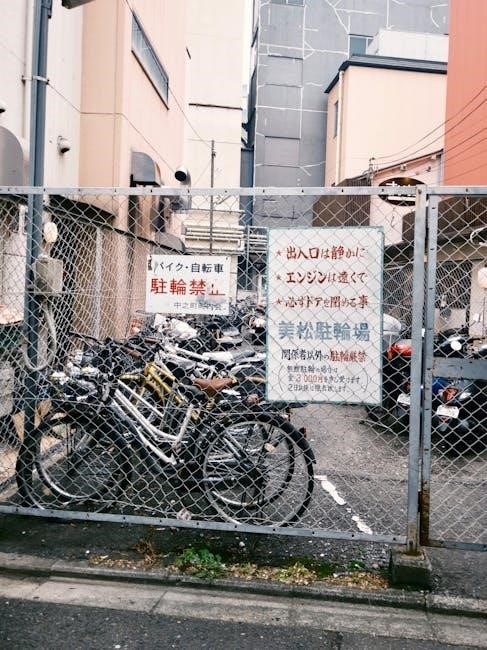
Japan Rail (JR) lines also serve Kyoto, with Kyoto Station being a major transportation hub. Walking and cycling are excellent ways to experience the city’s charming streets, particularly in districts like Higashiyama and Gion. Bike tours are readily available. Be mindful of construction schedules impacting routes.
Taxis are readily available but can be expensive. Utilizing a combination of trains, buses, and walking is often the most efficient and enjoyable way to navigate Kyoto.
Must-See Temples & Shrines
Explore Kyoto’s spiritual heart through iconic landmarks! From the golden Kinkaku-ji to the vibrant Fushimi Inari, discover ancient beauty and tranquility.
Kinkaku-ji (Golden Pavilion)
A Zen Buddhist temple covered in gold leaf, Kinkaku-ji is a breathtaking sight and a UNESCO World Heritage site. Originally built as a retirement villa for Shogun Ashikaga Yoshimitsu in the late 14th century, it was later converted into a temple after his death. The pavilion’s shimmering reflection on the pond below creates a stunning visual spectacle, particularly beautiful in different seasons.
While incredibly popular, and often crowded, Kinkaku-ji remains a must-see. Consider visiting early in the morning to avoid the largest crowds. Nearby Ryoan-ji Temple, with its famous rock garden, offers a less crowded, yet equally rewarding experience. Don’t just focus on the pavilion itself; explore the surrounding gardens and enjoy the peaceful atmosphere. Be aware that construction may be ongoing in the area, potentially impacting the viewing experience, so check current status before visiting.
Fushimi Inari-taisha Shrine
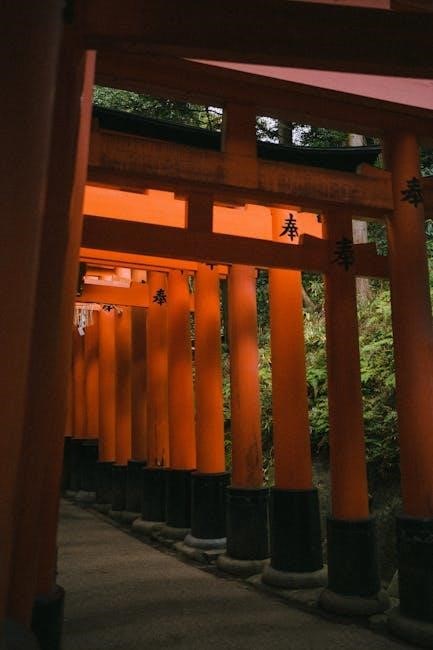
Famous for its thousands of vibrant red torii gates winding up a mountainside, Fushimi Inari-taisha is dedicated to Inari, the Shinto god of rice, prosperity, and business. These gates, donated by individuals and companies, create a mesmerizing pathway that stretches for kilometers. The hike to the summit and back can take several hours, but even a shorter walk offers a captivating experience.
Along the trail, you’ll encounter numerous smaller shrines, statues of foxes (considered Inari’s messengers), and charming teahouses. The lower sections are typically more crowded, so venturing further up the mountain rewards you with greater tranquility. Remember to wear comfortable shoes, as the path is uneven in places. Checking construction schedules beforehand is advisable, as some areas may be under renovation. It’s a truly unique and unforgettable Kyoto landmark.
Kiyomizu-dera Temple
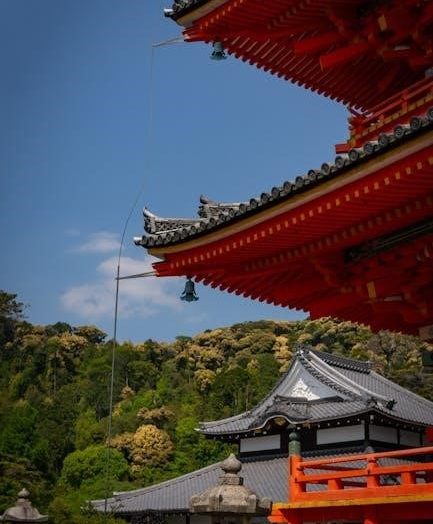
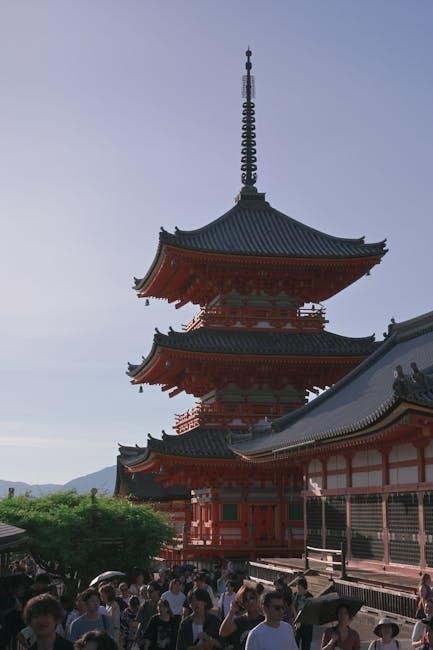
Perched on a hillside overlooking Kyoto, Kiyomizu-dera Temple is renowned for its wooden stage offering panoramic views. Founded in 778, this UNESCO World Heritage site boasts a rich history and stunning architecture. The main hall’s wooden stage was built without using any nails, a testament to ancient Japanese carpentry skills.
Below the main hall, Otowa Waterfall divides into three separate streams, each said to grant different benefits: longevity, success at school, and a fortunate love life. Visitors can drink from these streams, but it’s advised to choose only one! The surrounding Higashiyama district, with its narrow streets and traditional shops, adds to the temple’s charm. Be mindful of potential construction; check attraction status before visiting to ensure full accessibility and enjoyment of this iconic landmark.
Ryoan-ji Temple & Imperial Tombs
Ryoan-ji Temple is famed for its enigmatic Zen rock garden, a masterpiece of minimalist landscape design. While often crowded, it offers a tranquil space for contemplation. Don’t limit your visit to the garden alone! A hidden path behind the temple leads to a remarkable discovery: seven imperial tombs nestled in the surrounding hills.
This less-traveled route provides stunning views of Kyoto and a peaceful escape from the bustling city. The tombs themselves are simple, yet historically significant, offering a glimpse into Japan’s imperial past. Compared to the nearby Kinkaku-ji (Golden Pavilion), Ryoan-ji generally experiences fewer crowds, enhancing the sense of serenity. Explore beyond the iconic rocks to uncover this hidden gem and enjoy a unique perspective on Kyoto’s beauty and history.
Chion-in Temple: A Jodo Sect Treasure
Located in the Higashiyama district, Chion-in Temple stands as the head temple of the Jodo sect, the elder branch of Jodo Shinshu Buddhism. This sprawling complex boasts magnificent halls, intricate carvings, and a rich history dating back centuries. Prepare to be awestruck by the Sanmon gate, one of the largest wooden gates in Japan, offering panoramic views of the city.
Beyond its architectural grandeur, Chion-in offers a profound spiritual experience. Explore the various halls and gardens, each imbued with a sense of peace and reverence. The temple’s significance within the Jodo sect makes it a vital center for Buddhist practice and learning. While often overlooked by first-time visitors, Chion-in provides a deeper understanding of Kyoto’s religious landscape and a tranquil escape from the more crowded tourist spots.
Exploring Kyoto’s Cultural Districts
Wander through Gion’s geisha district, Higashiyama’s historic streets, and the enchanting Arashiyama Bamboo Grove— each area reveals Kyoto’s unique charm.
Gion District: Geishas & Traditional Tea Houses
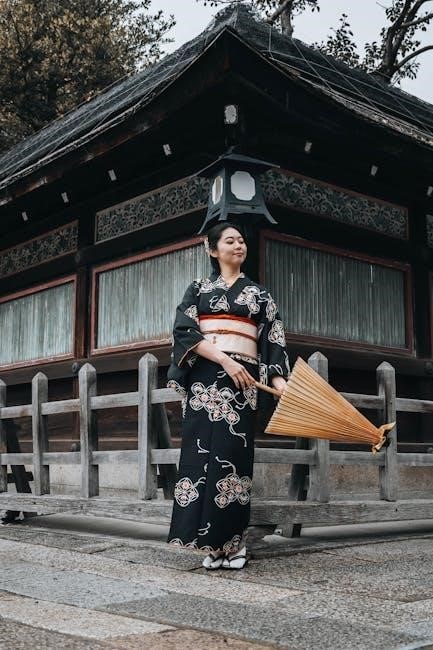
Step into Gion, Kyoto’s most famous geisha district, a captivating world of preserved wooden machiya houses and exclusive tea houses. This historic area offers a glimpse into a refined and secretive culture, where geiko (Kyoto geishas) and maiko (apprentice geishas) gracefully navigate the narrow streets.
While spotting a geisha requires luck and respect for their privacy, simply wandering through Gion’s atmospheric lanes is a rewarding experience. Explore Hanami-koji Street, the district’s main thoroughfare, lined with traditional restaurants and ochaya (tea houses). Consider attending a traditional tea ceremony for an immersive cultural experience. Remember that photography is often restricted, and approaching geishas directly is discouraged – observe from a respectful distance.
Gion is also home to Kennin-ji Temple, Kyoto’s oldest Zen temple, offering a tranquil escape from the bustling streets. The district truly embodies the spirit of old Kyoto, making it an unforgettable destination for any visitor.
Higashiyama District: Historic Streets & Crafts
Journey through Higashiyama, a beautifully preserved district showcasing Kyoto’s traditional atmosphere and artisanal heritage. This area, nestled at the foot of the eastern hills, is renowned for its charming streets, historic temples, and a wealth of local crafts.
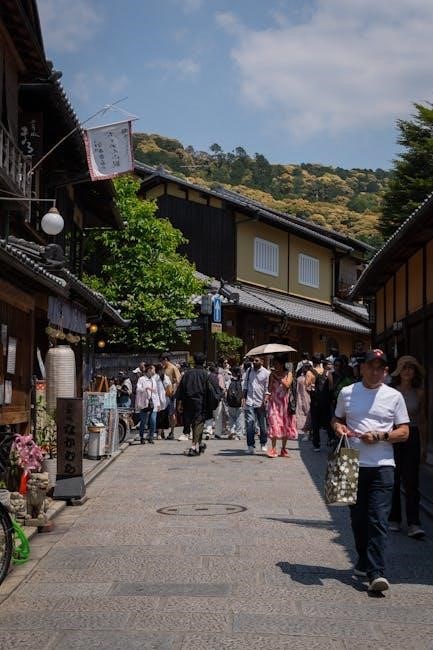
Explore the picturesque streets of Ninenzaka and Sannenzaka, lined with wooden shops selling pottery, crafts, and local delicacies. Kiyomizu-dera Temple, a UNESCO World Heritage site, dominates the landscape, offering stunning views of the city. Discover Kodai-ji Temple, known for its serene Zen gardens and bamboo grove.
Higashiyama is a haven for craft lovers, with numerous workshops and stores offering demonstrations and opportunities to purchase unique souvenirs. From Kiyomizu-yaki pottery to intricate textiles, you’ll find a treasure trove of traditional artistry. The district’s blend of history, culture, and craftsmanship makes it a must-visit destination.
Arashiyama Bamboo Grove & Tenryu-ji Temple
Escape to the enchanting Arashiyama district, famed for its breathtaking bamboo grove and the serene Tenryu-ji Temple. Located on the western outskirts of Kyoto, Arashiyama offers a tranquil retreat from the bustling city center, blending natural beauty with cultural significance.
Wander through the towering stalks of the Arashiyama Bamboo Grove, a truly mesmerizing experience. The sunlight filtering through the bamboo creates an ethereal atmosphere, perfect for peaceful contemplation. Adjacent to the grove lies Tenryu-ji Temple, a UNESCO World Heritage site and one of Kyoto’s most important Zen temples.
Explore Tenryu-ji’s stunning gardens, designed by Muso Soseki, a renowned Zen master. The gardens feature a central pond, meticulously landscaped hills, and borrowed scenery from the surrounding mountains. Enjoy a boat ride on the Hozugawa River for panoramic views of the Arashiyama landscape.
Kyoto’s Culinary Delights
Indulge in Kyoto’s exquisite cuisine! From Nishiki Market’s vibrant stalls to refined Kaiseki dining, savor local flavors and unique gastronomic experiences.
Nishiki Market: Kyoto’s Kitchen
Step into Nishiki Market, a bustling five-block long marketplace, affectionately known as “Kyoto’s Kitchen.” For centuries, this vibrant arcade has been the city’s primary source of fresh produce and culinary supplies, evolving into a captivating destination for both locals and tourists.
Today, you’ll find over 130 shops and restaurants crammed into the narrow street, offering an astonishing array of Kyoto’s specialties. Explore stalls brimming with pickled vegetables, fresh seafood, Japanese sweets, and unique cooking ingredients. Don’t hesitate to sample the offerings – many vendors provide small tastes of their wares!
Nishiki Market isn’t just about shopping; it’s a cultural experience. Observe the skillful craftsmanship of traditional food preparation, interact with friendly vendors, and immerse yourself in the lively atmosphere. It’s a fantastic place to discover regional delicacies and gain insight into Kyoto’s rich culinary heritage. Be prepared for crowds, especially during peak hours, and enjoy the sensory overload!
Traditional Kaiseki Dining
Indulge in kaiseki ryori, a traditional multi-course Japanese dinner, representing the pinnacle of Kyoto’s culinary artistry. More than just a meal, kaiseki is a refined dining experience, emphasizing seasonality, presentation, and harmony with nature.
Each course is meticulously crafted, featuring small, exquisitely arranged dishes that showcase the freshest local ingredients. Expect a succession of delicate flavors and textures, from simmered dishes and grilled delicacies to vinegared vegetables and fragrant soups. The presentation is equally important, with dishes often resembling miniature works of art.
Kaiseki dining is typically enjoyed in a serene and intimate setting, often in a traditional ryokan (Japanese inn) or a specialized kaiseki restaurant. It’s a relatively expensive experience, but one that offers a profound insight into Japanese culture and culinary philosophy. Reservations are highly recommended, especially during peak season, to secure your place at this unforgettable feast.
Street Food & Local Specialties
Beyond the refined elegance of kaiseki, Kyoto’s culinary scene thrives on vibrant street food and regional specialties. Nishiki Market, known as “Kyoto’s Kitchen,” is a must-visit for sampling a diverse array of local delicacies, from pickled vegetables and fresh seafood to mochi and matcha sweets.
Explore the market’s bustling stalls, tasting your way through unique flavors and textures. Don’t miss trying yuba (tofu skin), a Kyoto specialty, or tsukemono (Japanese pickles), available in countless varieties. For a quick and satisfying bite, grab a takoyaki (octopus ball) or a savory okonomiyaki pancake.
Venture beyond Nishiki Market to discover hidden gems offering local favorites like ramen, udon, and soba noodles. Kyoto’s culinary landscape is a delightful blend of tradition and innovation, offering something to tantalize every palate. Be adventurous and embrace the flavors of this captivating city!
Unique Experiences in Kyoto
Immerse yourself in Kyoto’s charm with bike tours, hidden alley explorations, and serene garden visits! Discover authentic experiences beyond the typical tourist trail.
Bike Tours of Eastern Kyoto
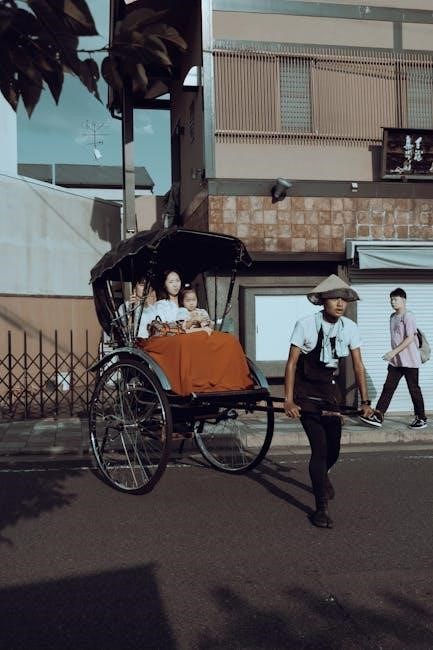
Eastern Kyoto is exceptionally well-suited for exploration by bicycle. The relatively flat terrain and proximity of numerous cultural landmarks make it an ideal choice for a self-guided or organized bike tour. Many paths connecting key sites are designed with pedestrians and cyclists in mind, offering a pleasant and interesting journey between destinations.
Choosing a bike tour allows you to bypass the constraints of bus schedules and navigate at your own pace, maximizing your time and freedom. This method provides a more intimate experience, allowing you to discover hidden gems and soak in the atmosphere of the historic streets. Consider exploring the Higashiyama district, known for its traditional architecture and charming alleys, easily accessible by bike.
Rental shops are readily available throughout the city, offering a variety of bicycle types to suit your needs. Remember to check local traffic regulations and be mindful of pedestrians, especially in crowded areas. A bike tour truly unlocks a unique perspective of Eastern Kyoto!
Walking Tours & Hidden Alleys
Kyoto truly reveals its soul through leisurely walking tours, particularly when venturing off the beaten path. Beyond the grand temples and famous shrines lie a network of enchanting hidden alleys, each whispering tales of centuries past. These narrow lanes offer a glimpse into the everyday life of Kyoto residents and a respite from the bustling tourist crowds.
Exploring on foot allows for spontaneous discoveries – a tiny artisan shop, a local tea house, or a beautifully preserved traditional machiya townhouse. Many of these hidden gems are easily missed when traveling by bus or car. The eastern side of Kyoto, with its concentration of historical sites, is particularly rewarding for pedestrian exploration.
Don’t hesitate to get lost! Allow yourself to wander and embrace the unexpected. Comfortable shoes are essential, and a willingness to turn down intriguing side streets will unlock the true magic of Kyoto’s hidden corners.
Kyoto Gardens & Landscape Design
Kyoto’s gardens are not merely beautiful spaces; they are meticulously crafted works of art, embodying centuries of Japanese aesthetic principles. Rooted in Zen Buddhism and Shinto beliefs, these landscapes aim to evoke tranquility, harmony, and a connection with nature.
Ryoan-ji Temple’s iconic rock garden exemplifies karesansui (dry landscape gardening), inviting contemplation through its minimalist arrangement of rocks and gravel. Other gardens showcase diverse styles, from the moss gardens of Saiho-ji (Kokedera) to the strolling gardens of Tenryu-ji in Arashiyama.
Pay attention to the subtle details – the carefully placed stones, the pruned trees, the borrowed scenery (shakkei) incorporating distant mountains. Kyoto’s landscape design emphasizes asymmetry, naturalness, and the passage of time. Visiting these gardens offers a profound insight into Japanese culture and a peaceful escape from the city’s energy.
Practical Tips for Travelers
Stay informed about construction schedules impacting attractions! Utilize Kyoto travel maps and resources for efficient navigation, ensuring a smooth and enjoyable exploration.
Construction Schedules & Attraction Status
Planning a trip to Kyoto requires diligent research into current construction projects. A significant number of attractions are undergoing renovations, potentially impacting visitor experiences. Some sites remain worthwhile despite ongoing work, offering a glimpse into their beauty even amidst disruption. However, others may be entirely inaccessible due to extensive repairs.
Before finalizing your itinerary, thoroughly investigate the status of must-see locations. Official websites and tourism resources often provide updates on construction schedules and closures. Be prepared for altered access routes, reduced viewing areas, or temporary exhibit limitations. Flexibility is key; having alternative options in mind will prevent disappointment if a planned visit is affected.
Don’t solely rely on outdated information. Conditions can change rapidly. Checking closer to your travel dates ensures the most accurate picture. Prioritizing attractions with confirmed accessibility will maximize your enjoyment of Kyoto’s rich cultural heritage, even with ongoing improvements.
Kyoto Travel Maps & Resources
Navigating Kyoto effectively requires access to reliable maps and comprehensive resources. Numerous options cater to diverse travel styles, from traditional paper maps to sophisticated digital applications. Explore detailed maps highlighting key attractions, transportation networks, and walking routes to optimize your sightseeing.
Online resources, including official tourism websites and travel blogs, provide invaluable information on Kyoto’s history, culture, and practicalities. Look for resources offering downloadable maps, suggested itineraries, and up-to-date information on events and festivals. Consider utilizing apps with offline map capabilities, ensuring accessibility even without an internet connection.
Pictorial maps offer a unique perspective, showcasing Kyoto’s landmarks in an artistic and engaging manner. Remember to consult resources listing Japanese place names like Kurama-dera Temple and Sakamoto for accurate location identification. Leverage these tools to unlock a seamless and enriching Kyoto experience.