Kenmore Elite Washer Instruction Manual: A Comprehensive Guide
This manual provides essential guidance for operating and maintaining your Kenmore Elite washer, ensuring optimal performance and longevity. Locate the model and serial numbers for accurate support.
Understanding Your Kenmore Elite Washer Model Number
Your Kenmore Elite washer’s model number is crucial for identifying specific features, parts, and accessing relevant documentation. It’s typically found on the appliance’s door frame, control panel, or back panel. This alphanumeric code unlocks access to owners manuals, troubleshooting guides, and replacement parts.
Decoding the serial number reveals the manufacturer and production date, aiding in accurate service and support. Utilize the model number when seeking assistance or ordering components.
Locating the Model and Serial Number
Finding your Kenmore Elite washer’s model and serial numbers is the first step for support. Check inside the door frame, on the top of the control panel, or the back of the washer. Look for a sticker or tag – often in the upper left corner of the back, or lower left front.
Sometimes, it’s under the lid or inside the right back corner. These numbers are vital for manuals and parts.
Decoding the Kenmore Model Number
Understanding your Kenmore model number reveals crucial appliance information. The decoding chart breaks down letters and numbers, signifying manufacturing details. For example, the first letter often indicates the year, while the second denotes the month of production.
This process identifies the manufacturer and appliance age, aiding in finding specific parts and support resources.
Identifying the Manufacturer
Kenmore appliances are often manufactured by other well-known companies. Decoding the serial number is key to pinpointing the original manufacturer of your Kenmore Elite washer. This information is vital for sourcing compatible replacement parts and accessing specialized repair guides.
Common manufacturers include Whirlpool, LG, and others, impacting service options.
Kenmore Elite Washer: Common Features & Controls
Kenmore Elite washers boast advanced features for superior cleaning. Expect options like steam cycles, sanitize settings, and multiple spin speeds. Control panels typically include a digital display, cycle selection dial, and option buttons for customizing washes. Familiarize yourself with these controls to maximize efficiency and garment care.
Control Panel Overview
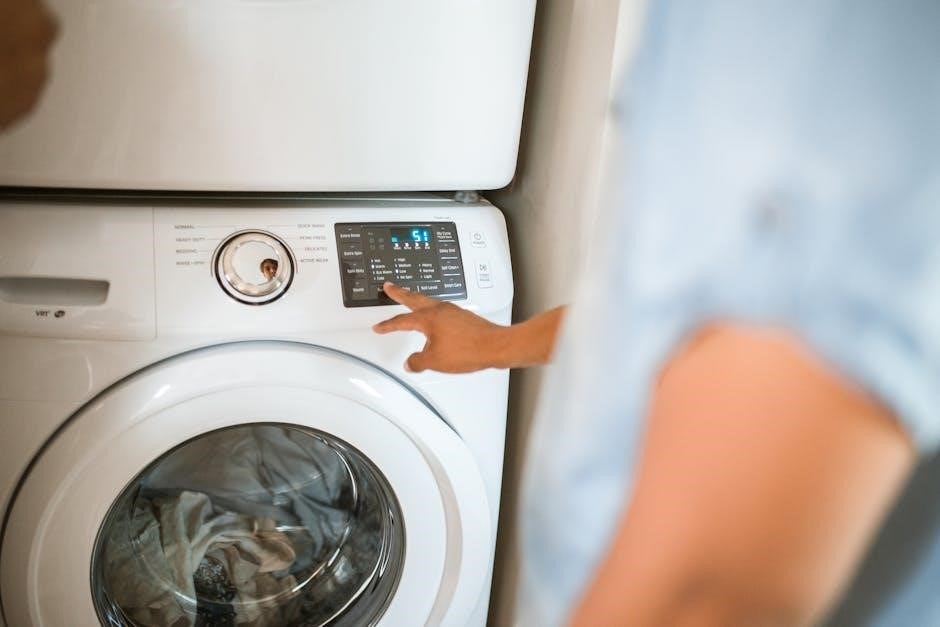
The Kenmore Elite control panel features a digital display showing cycle status and options. A cycle selector dial allows choosing wash cycles like Normal, Delicates, or Heavy Duty. Option buttons modify settings – temperature, spin speed, soil level, and extra rinses. Power, Start/Pause, and Signal buttons complete the interface, offering intuitive operation.
Wash Cycle Selection Guide
Select cycles based on fabric type and soil level. “Normal” suits everyday laundry, while “Delicates” protects fragile items. “Heavy Duty” tackles heavily soiled loads. “Bulky Items” accommodates bedding, and “Quick Wash” offers a faster cycle. Utilize “Sanitize” for enhanced cleaning, and “Rinse & Spin” for a separate rinse and spin.
Detergent Dispenser Instructions
The dispenser features compartments for detergent, fabric softener, and bleach. Add detergent to the designated compartment, avoiding overfilling. Pour fabric softener into its separate section, and bleach into the appropriately marked area. Ensure proper dilution for bleach to prevent discoloration. Regularly clean the dispenser to prevent clogs and residue buildup.
Loading and Unloading the Washer
Distribute laundry evenly inside the drum, avoiding overloading which impacts cleaning performance. Do not wrap items around the agitator. After the cycle completes, promptly remove clothes to prevent mildew. Check pockets for objects before loading. Leave the door ajar to air out the drum and prevent odors.
Understanding Error Codes
Error codes signal issues requiring attention. Consult your washer’s display panel for specific codes. Common codes indicate problems like water supply issues, drainage blockages, or unbalanced loads. Refer to the complete error code list in the manual for detailed explanations and troubleshooting steps. Resetting the washer may clear some errors.
Troubleshooting Common Issues
Addressing typical problems extends your washer’s life. If the washer won’t start, check the power supply and door latch. For drainage issues, inspect the drain hose for kinks or clogs. Excessive noise often indicates unbalanced loads or foreign objects. Consult the manual for detailed solutions and safety precautions before attempting repairs.
Washer Won’t Start
If your Kenmore Elite washer fails to power on, first verify the power cord is securely plugged into a functioning outlet. Check the circuit breaker or fuse box for tripped breakers or blown fuses. Ensure the door is firmly latched, as a safety interlock prevents operation if unclosed.
Washer Not Draining
If your Kenmore Elite washer isn’t draining, initially check the drain hose for kinks or obstructions. Inspect the drain pump filter for lint, debris, or small objects. A clogged filter is a common cause. Ensure the drain hose isn’t inserted too far into the drainpipe, restricting flow. Verify the drainpipe isn’t clogged itself.
Washer is Noisy
Excessive noise during operation could indicate several issues. Confirm the washer is level; an uneven machine vibrates significantly. Check for loose items—coins, buttons—trapped between the drum and tub. Inspect the drive belt for wear or damage. A failing pump or motor bearing can also generate loud noises; professional service may be required.
Maintenance and Cleaning
Regular maintenance extends your Kenmore Elite washer’s lifespan. Periodically clean the detergent dispenser to prevent buildup and ensure proper dispensing. Run a cleaning cycle monthly, using a washer cleaner, to remove residue and odors from the drum. Wipe down the exterior with a damp cloth. Inspect hoses for cracks or leaks.
Cleaning the Detergent Dispenser
To clean the dispenser, remove it from the washer – consult your model’s specific instructions. Soak the dispenser in warm, soapy water to loosen any hardened detergent residue. Use a small brush to scrub away remaining buildup in each compartment. Rinse thoroughly and ensure it’s completely dry before reinstalling.
Cleaning the Washer Drum
Regularly clean the washer drum to prevent mold and mildew growth. Run a cleaning cycle with a washing machine cleaner, or use a solution of hot water and vinegar. Wipe down the drum with a clean cloth after each use, paying attention to the rubber gasket. Leave the door ajar to allow ventilation.
Safety Precautions
Always disconnect the power supply before servicing your Kenmore Elite washer. Do not use flammable liquids near the appliance. Keep children and pets away during operation. Avoid overloading the washer, and never open the door during a wash cycle. Inspect the power cord regularly for damage, and follow all warning labels.
This guide details operation, maintenance, and troubleshooting for your Kenmore Elite washer, ensuring efficient cleaning and extending appliance lifespan.
Your Kenmore Elite washer’s model number is crucial for identifying specific features, parts, and accessing relevant documentation. It’s typically found on the appliance’s door frame, control panel, or back panel. Decoding this number reveals manufacturing details, like the year and month of production, and importantly, the original manufacturer.
Knowing the model number streamlines troubleshooting, warranty claims, and locating replacement parts. Utilize online resources and the search bar with your specific number for tailored support and manuals.
Finding your Kenmore Elite washer’s model and serial numbers is the first step for support. Check inside the washer door frame, often on the upper or lower left side. Also, inspect the top of the control panel and the back of the appliance.
Look for a sticker or metal tag; the serial number is usually nearby. These numbers are vital for identifying your specific model and accessing relevant manuals or assistance.
Understanding your Kenmore model number reveals crucial appliance information. The decoding chart breaks down letters and numbers, signifying manufacturing details like year and month. This process identifies the appliance’s manufacturer and production date.
Algorithms utilize this data to pinpoint additional specifics about your washer. Knowing this allows for targeted troubleshooting and accurate parts identification when service or repairs are needed.
Kenmore washers are built by various manufacturers, though branded by Sears. Decoding the model number is key to pinpointing the original builder – often LG or Whirlpool. This identification is vital for sourcing compatible replacement parts and accessing specific repair information.
Knowing the true manufacturer ensures you’re using the correct resources for troubleshooting and maintenance, maximizing the lifespan of your Kenmore Elite washer.
Kenmore Elite washers boast advanced features like steam cycles, sanitize options, and large capacity drums. Common controls include a digital display, cycle selection dial, and buttons for options like temperature and spin speed. Many models offer delayed start and automatic detergent dispensing.
Familiarizing yourself with these features and controls will allow you to customize wash cycles for optimal cleaning performance and fabric care.
The Kenmore Elite washer’s control panel typically features a digital display showing cycle status and remaining time. A cycle selector dial allows choosing pre-set washes. Buttons adjust options like water temperature, spin speed, and soil level. Dedicated buttons activate features like steam or sanitize cycles.
Additional controls may include delay start, extra rinse, and a power button. Understanding each control ensures efficient operation.
Kenmore Elite washers offer diverse cycles for various fabrics and needs. Normal/Regular suits everyday laundry. Delicates gently cleans lingerie and silks. Permanent Press minimizes wrinkles in synthetics. Bulky Items/Bedding handles large loads like comforters.
Heavy Duty tackles heavily soiled items. Quick Wash provides a fast cycle for lightly soiled clothes. Sanitize eliminates bacteria, while Steam refreshes and reduces odors.
Your Kenmore Elite washer features a multi-compartment dispenser. The compartment labeled “A” is for pre-wash detergent, if needed. “B” is for main wash detergent – use HE (High Efficiency) detergent only. Compartment “C” is for fabric softener, and bleach should go into the appropriately marked section.
Avoid overfilling; follow detergent package guidelines. Regularly clean the dispenser to prevent clogs and residue buildup, ensuring optimal washing performance.
To load your Kenmore Elite washer, distribute items loosely inside the drum, avoiding overcrowding. Do not wrap items around the agitator (if equipped). For optimal cleaning, leave space for clothes to move freely. When unloading, remove all items promptly to prevent mildew.
Check pockets for objects before loading; Ensure the drum is empty before starting a new cycle, and always close the door securely.
Kenmore Elite washers utilize error codes to signal malfunctions. These codes, displayed on the control panel, help diagnose issues. Common codes include F01 (water inlet error), F02 (drainage issue), and F03 (imbalance). Consult the full error code list in the manual for specific troubleshooting steps.
Record the code before contacting service, as it aids technicians in efficient repair. Resetting the washer may clear some codes.
Encountering problems with your Kenmore Elite washer? This section addresses frequent concerns. If the washer won’t start, check the power supply and door latch. For drainage issues, inspect the drain hose for kinks or clogs. Excessive noise often indicates unbalanced loads or foreign objects.
Always disconnect power before attempting repairs. Refer to the error code section for further diagnostics.
If your Kenmore Elite washer fails to start, first verify the power cord is securely plugged into a functioning outlet. Check the circuit breaker or fuse box for tripped breakers or blown fuses. Ensure the washer door is completely latched; a loose latch prevents operation.
Also, confirm the start/pause button has been pressed. If issues persist, consult the error code section.
If your Kenmore Elite washer isn’t draining, initially check the drain hose for kinks or obstructions. Ensure the drain hose isn’t inserted too far into the drainpipe, which can cause siphoning. Inspect the drain pump filter for lint, debris, or small objects that may be blocking water flow.
A clogged filter is a common cause. If problems continue, consult the error code section for specific troubleshooting steps.
Excessive noise during operation could indicate several issues. First, verify the washer is level; an uneven surface can cause vibrations. Check for loose items – coins, buttons – trapped between the drum and the outer tub. Inspect the drive belt for wear or damage, and ensure it’s properly tensioned.
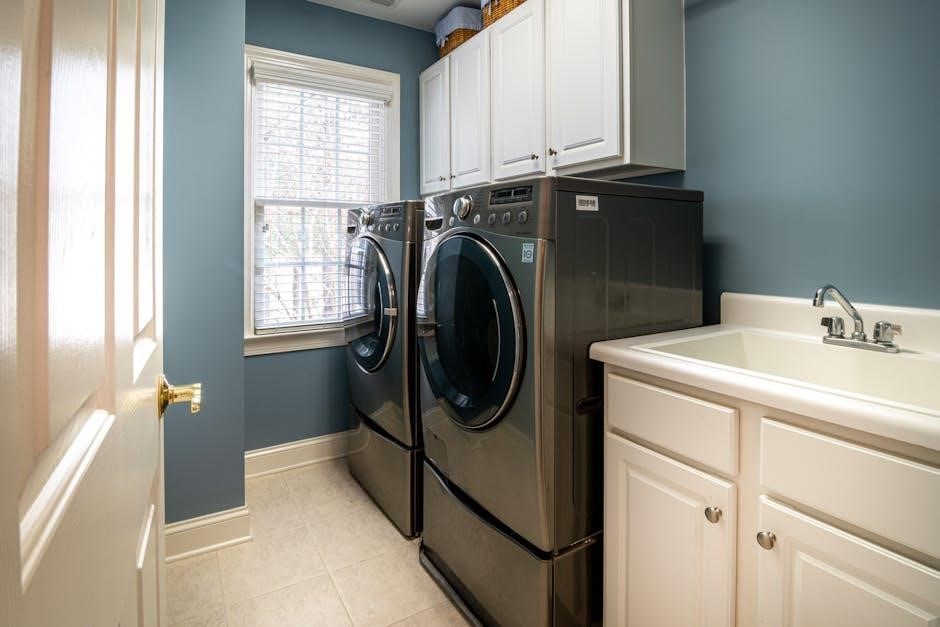
Worn bearings or a failing pump can also generate noise; professional service may be required for these repairs.
Regular maintenance extends your Kenmore Elite washer’s lifespan. Periodically clean the detergent dispenser to prevent buildup and ensure proper dispensing. Run a cleaning cycle monthly, using a washer cleaner, to remove residue and odors from the drum.
Wipe down the exterior with a damp cloth. Inspect hoses for cracks or leaks, and clean the door seal to prevent mold growth.
To clean the dispenser, remove it from the washer – consult your model’s specific instructions for removal. Soak the dispenser in warm, soapy water to loosen any hardened detergent residue. Use a small brush to scrub away remaining buildup in each compartment.
Rinse thoroughly and ensure all soap is removed before reinstalling. Regular cleaning prevents clogs and ensures optimal detergent distribution.
To maintain freshness, clean the washer drum monthly. Run an empty hot water cycle with a washing machine cleaner, or use a cup of white vinegar. This helps remove residue and odors.
Wipe down the drum’s interior with a damp cloth after each use, paying attention to the rubber gasket. Leave the door ajar to allow for ventilation and prevent mildew growth.
Always disconnect the power supply before any maintenance or cleaning. Never attempt to repair the washer yourself; contact a qualified technician. Keep children and pets away during operation.
Do not wash items contaminated with flammable liquids. Ensure proper ventilation to prevent gas buildup. Avoid overloading the washer, as this can cause damage or injury. Follow all warning labels.