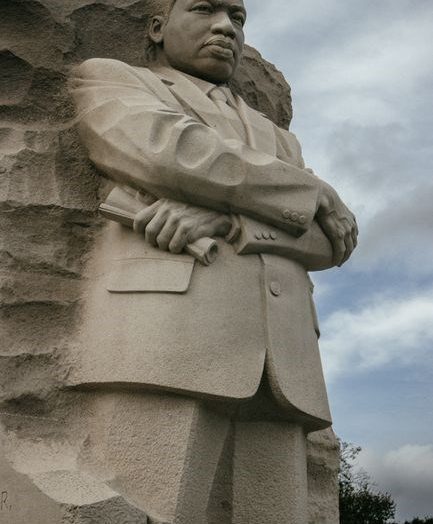
These PDFs offer a concise life story of Martin Luther King Jr., written at three reading levels for easy differentiation. They include five days of activities, that build vocabulary, comprehension, and critical thinking. Free printable worksheets, timelines, and quote analyses are also provided.
1.1 Purpose and Scope
These Martin Luther King Jr. reading‑comprehension PDFs are crafted to give teachers, parents, and students a concise yet comprehensive view of the civil‑rights leader’s life, from his early upbringing in Atlanta to his historic “I Have a Dream” speech. The primary purpose is to deepen students’ understanding of King’s formative influences, key milestones, and the enduring philosophy of nonviolence that shaped a nation. By offering the narrative at three reading levels—beginner, intermediate, and advanced—the PDFs allow differentiated instruction within a single classroom, ensuring that learners of all proficiencies can engage meaningfully. Each PDF includes five days of structured activities that target core comprehension skills such as identifying main ideas, inferring motives, analyzing cause‑and‑effect relationships, and evaluating historical significance. Embedded vocabulary exercises reinforce terms like “segregation,” “desegregation,” “nonviolent resistance,” and “civil disobedience,” while a timeline construction task places King’s milestones in chronological context. Quote‑analysis prompts encourage critical reflection on his most famous speeches, fostering higher‑order thinking. Accessibility is a priority: the PDFs are available in standard format, include alt‑text for images, and can be opened on most devices or integrated into digital platforms. Teachers can download, print, or embed the files, and students can use them for hands‑on worksheets or independent study. By combining narrative, interactive tasks, and reflective prompts, these resources aim to cultivate both factual knowledge and analytical skills, preparing students to appreciate the historical significance of Martin Luther King Jr. in contemporary society. The PDFs also support collaborative learning, allowing groups to debate King’s strategies and discuss their relevance to modern social justice movements. Additionally, the materials are aligned with national standards, ensuring seamless integration into existing curricula. Finally, the resources are freely available, encouraging widespread use and fostering a shared commitment to civil‑rights education across diverse learning environments. Use them freely in class and share!?
1.2 Target Age Groups
These Martin Luther King Jr. reading‑comprehension PDFs are designed for students from kindergarten through middle school. The narrative appears in three readability tiers—beginner, intermediate, and advanced—allowing teachers to match the text to each child’s level. The beginner tier uses simple language, short sentences, and illustrations to introduce King’s family, early sense of justice, and the first steps toward civil‑rights activism. The intermediate tier adds more complex vocabulary, longer paragraphs, and contextual clues that help students infer King’s motivations and the impact of his actions. The advanced tier offers analytical questions, primary‑source excerpts, and deeper exploration of his philosophy of nonviolent resistance, the Montgomery Bus Boycott, and the March on Washington. Five days of guided activities support vocabulary drills, timeline construction, and quote‑analysis, reinforcing comprehension while encouraging critical thinking. Teachers can integrate the PDFs into lesson plans for grades K‑5, and the materials support differentiated instruction. The PDFs are available in accessible formats, including screen‑reader friendly versions and high‑contrast layouts, ensuring that students with visual or learning disabilities can engage fully. By aligning the content with national curriculum standards, the PDFs help learners develop a nuanced understanding of King’s legacy while building essential reading‑comprehension skills.
These resources support projects, allowing students to create timelines, host mock debates, and write essays that connect King’s ideals to contemporary social justice movements. The PDFs are compatible with management systems, enabling teachers to embed quizzes and track student time!!

Popular PDF Resources
Students and teachers find three PDFs: a Google‑hosted text with three reading levels and five activity days; a biography with comprehension questions; and a close‑reading text titled “Life Between Summers” featuring 19 pages of analysis. All are free and printable!
2.1 Google & PDF Collection Overview
Google’s public drive hosts a curated set of Martin Luther King Jr. reading comprehension PDFs. The flagship resource is a three‑level narrative that chronicles King’s early life, civil‑rights activism, and legacy. It includes five days of activities: vocabulary drills, inference questions, and discussion prompts that reinforce key concepts such as non‑violence, equality, and the power of collective action. Teachers can download the PDF for free, print it, or embed it in digital lesson plans. The collection also includes a biography PDF with targeted comprehension questions that highlight pivotal moments—birth in Atlanta, legal career, and the historic “I Have a Dream” speech. Additionally, a close‑reading text titled “Life Between Summers” offers 19 pages of in‑depth analysis, complete with guided questions and writing prompts that encourage students to explore King’s influence on modern civil‑rights movements. All documents are formatted for accessibility with clear headings and high‑contrast text. The Google repository updates regularly, giving educators access to the latest materials and worksheets. Teachers can also use this collection to integrate reading, discussion, and critical‑thinking exercises into their curriculum.
2.2 Biography Reading Comprehension Exercises PDF
The PDFs emphasize readability, numbered sections that guide the reader through each activity. It also includes a glossary of key terms, a list of recommended further reading, and a set of reflection questions that encourage students to connect King’s ideas to contemporary social justice movements. Studentsand canuseworksheets to practice summarizing key events
2.3 Close Reading Text PDF – Life Between Summers
The 19‑page PDF titled “Life Between Summers” offers a focused close‑reading experience on Martin Luther King Jr.’s life. Designed for middle‑school and high‑school readers, it blends narrative passages with targeted comprehension questions that probe students’ understanding of key events, motivations, and outcomes. Each page contains a short excerpt followed by a set of questions that encourage analysis of tone, diction, and historical context. The document also includes a writing prompt that asks students to craft a reflective essay on how King’s legacy informs today’s social justice movements. Supplementary resources such as a glossary of terms, suggested further reading, and a teacher’s guide are embedded in the PDF, providing a comprehensive toolkit for educators. The file size is approximately 3 MB, making it easy to download and distribute in classroom settings. By engaging with this close‑reading text, students develop critical thinking skills while deepening their knowledge of one of America’s most influential civil‑rights leaders. Students are encouraged to annotate the text, identify rhetorical devices, and discuss how King’s strategies resonate with modern movements for equality. The PDF also offers a printable timeline and a list of primary sources for deeper exploration, ensuring a rich, multi‑layered learning experience. and discuss today.!This resource is ideal for teachers seeking to integrate primary source analysis and critical thinking into their curriculum. It supports diverse learning styles and encourages students to reflect on King’s impact. Teachers can adapt activities for varied classroom contexts and standards. End of text. Thank you. Done.

Educational Activities Included in PDFs
These PDFs provide interactive activities: vocabulary drills, timeline construction, quote analysis, and reflective writing prompts. Students annotate passages, identify key terms, and build a chronological map of King’s life. Activities foster critical thinking and contextual understanding. (10 min)!
3.1 Vocabulary Development Exercises
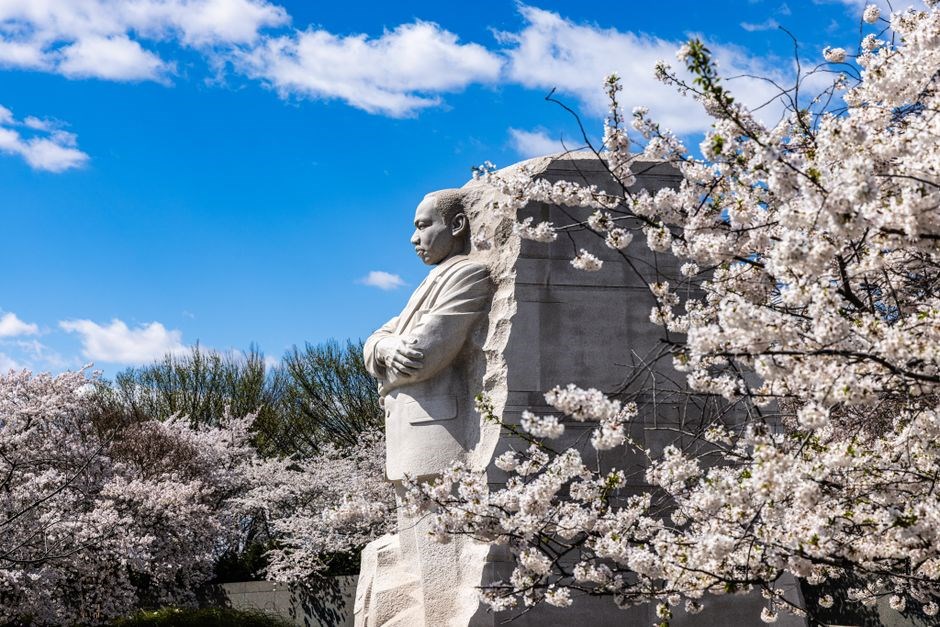
These PDFs offer structured drills that match the Martin Luther King Jr. narrative. Each level lists key terms—“civil rights,” “nonviolent,” “segregation,” “martyr,” “dream”—with definitions, contextual sentences, and synonym/antonym pairings. Students read authentic excerpts, then complete fill‑in‑the‑blank activities to reinforce meaning. Matching exercises pair terms with definitions, while a word‑search puzzle encourages recall. Learners create flashcards, writing a personal example for each term, fostering ownership of the language. A “word‑in‑context” quiz asks students to identify nuance shifts across passages. A collaborative “vocabulary journal” prompt invites students to record new words, illustrate them, and write a short sentence using each term, linking language acquisition to creative expression. These activities build lexical depth, improve reading fluency, and support critical analysis of the text’s historical significance.
Assessment is integrated through self‑quiz sheets and teacher‑guided discussions. Students rate confidence on a 5‑point scale, revisit challenging words, and peer‑review. PDFs include answer keys and suggested explanations for differentiation. Teachers can adjust difficulty by selecting complex terms for advanced classes or simplifying definitions for younger learners. The modular design allows extraction of worksheets for focused instruction or bundling into a comprehensive unit. Embedding vocabulary development into the reading material ensures contextually grounded language learning, making abstract concepts like “justice” and “equality” tangible through King’s words and actions.
Students also engage in peer‑teaching, explaining a term to classmates, reinforcing understanding and promoting collaboration!!!
3.2 Timeline Construction Activities
Students use the Martin Luther King Jr. reading PDFs to build a visual chronology of key events. The resource supplies a list of dates, from King’s birth in 1929 to the 1968 assassination, with brief annotations. Learners cut out event cards, then arrange them on a long horizontal strip or wall. Each card includes a headline, date, and a short quote from King’s speeches. After arranging, students write a one‑sentence explanation of how each event influenced the civil‑rights movement; The PDF offers a “timeline template” with labeled columns for “Year,” “Event,” “Impact,” and “Quote.” Teachers can ask students to color‑code milestones: early activism, landmark speeches, legal victories, and tragic moments. Peer review sessions let classmates suggest adjustments, ensuring accuracy and depth. For higher‑order thinking, students add a “future impact” column, predicting how each event shaped modern social justice. The activity culminates in a class presentation where groups display their timelines, discuss patterns, and reflect on King’s legacy. Assessment rubrics in the PDF evaluate chronological accuracy, depth of analysis, and creativity in presentation. This hands‑on exercise reinforces comprehension, critical thinking, and collaborative learning while embedding historical context into the reading experience. Students further annotate the timeline with personal reflections, drawing connections between King’s ideals and contemporary movements, thereby deepening their empathy and civic engagement. The PDF supplies a rubric that values creativity, accuracy, and analytical depth, ensuring that each student’s timeline not only reflects historical facts but also demonstrates personal insight into the enduring relevance of King’s message. By comparing the timeline with current news articles, students practice critical media literacy, identifying parallels and divergences that illuminate how King’s principles continue to shape policy debates and grassroots activism worldwide. Students also use the timeline to create a short video or podcast, narrating key moments and reflecting on how each event informs their own civic responsibilities, thereby integrating multimedia skills with historical analysis and fostering a holistic understanding of the civil‑rights legacy. The PDF includes a checklist that guides students through each step, ensuring they capture dates, causes, and consequences, and encourages probing questions for deeper engagement
Integration into Curriculum
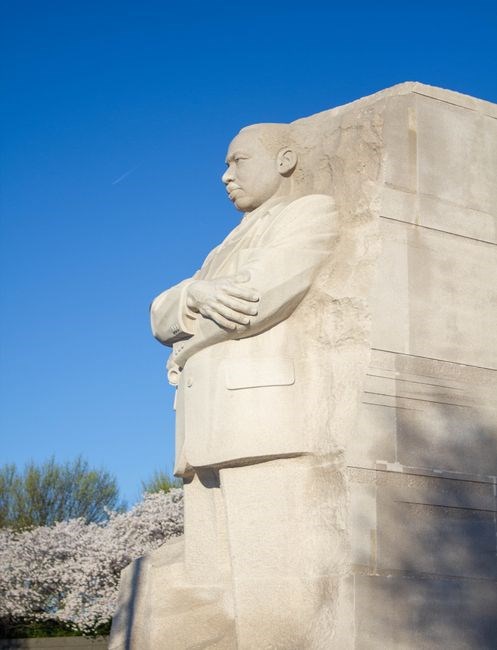
The PDFs integrate into lesson plans, offering scaffolded reading levels, discussion prompts, and assessment rubrics. Teachers embed them in civil‑rights units, aligning with standards and fostering critical analysis of historical texts.for all ages,reflecting.
4.1 Lesson Planning Framework
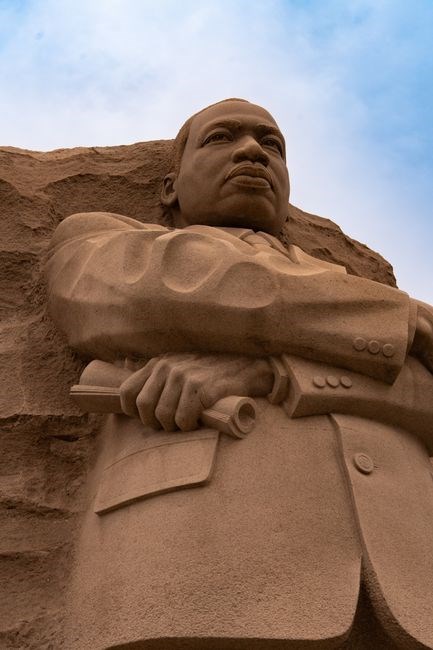
Teachers can structure a unit around the Martin Luther King Jr. reading PDFs by following a clear, scaffolded framework. Begin with an engaging hook—such as a short video clip or a powerful quote—followed by a pre‑reading discussion that activates prior knowledge about civil rights. Next, students read the three‑level PDF, using guided‑reading questions to focus attention on key facts, dates, and themes. After the read, a collaborative activity allows learners to compare the different text levels, noting how language complexity affects comprehension. The lesson then shifts to a vocabulary workshop where students create a word bank, define terms, and use them in sentences. A timeline construction exercise encourages students to place major events in chronological order, reinforcing sequencing skills. Additionally, teachers can incorporate peer‑review sessions where students critique each other’s timelines and vocabulary usage, fostering collaborative learning. Finally, a formative assessment—such as a short quiz or a reflective journal entry—checks understanding and informs future instruction. Throughout, the framework supports differentiation by offering optional extensions for advanced readers and scaffolded supports for struggling learners. Teachers can embed the PDFs into a broader social‑studies curriculum, linking to standards on American history, civil‑rights movements, and critical thinking. Technology can be leveraged by having students annotate PDFs in real time, collaborate on shared documents, or create multimedia presentations that showcase their learning. Assessment rubrics should capture reading comprehension, analytical depth, and creative expression, ensuring that all students demonstrate mastery of the material.
To ensure inclusivity, the framework recommends closed captions for audio, high‑contrast PDFs, and oral reading options for visual‑impairment students. By integrating these resources, educators create a dynamic, student‑centered environment that honors Martin Luther King Jr.’s legacy while meeting diverse needs. These strategies align with Universal Design for Learning principles, ensuring equitable access for all learners.

4.2 Assessment and Rubrics
Assessment for the Martin Luther King Jr. reading PDFs is designed to capture both comprehension and critical reflection. A rubric with four levels—Exceeds Expectations, Meets Expectations, Approaching, and Below—evaluates students on fact recall, contextual understanding, vocabulary usage, and analytical depth. For each criterion, descriptors specify evidence such as accurate dates, clear explanations of civil‑rights milestones, correct use of key terms, and thoughtful connections to contemporary issues. Teachers can administer a short quiz after the reading, followed by a reflective writing prompt where students explain how King’s philosophy applies today. Peer‑review activities allow learners to assess classmates’ timelines and vocabulary worksheets, reinforcing collaborative learning. Digital tools enable instant feedback: teachers can annotate PDFs, provide audio comments, or use online quiz platforms that auto‑grade multiple‑choice questions. The rubric also includes a self‑assessment section, encouraging students to evaluate their own engagement and identify growth areas; For differentiated instruction, optional extensions—such as creating a multimedia presentation or composing a letter to a modern civil‑rights leader—are scored on creativity, research depth, and presentation skills. All assessment data feed into a master gradebook, ensuring that mastery of the text, critical thinking, and respectful dialogue are recognized. This structured approach aligns with state standards on American history and promotes equitable assessment for diverse learners. Students may also create a video diary summarizing their insights, which teachers can evaluate using the same rubric categories. This multimodal assessment encourages deeper engagement and allows learners to demonstrate understanding in varied formats, supporting auditory students.

Differentiation and Accessibility Features
Three reading levels, audio narration, high‑contrast PDF, adjustable font size, and screen‑reader compatibility make the Martin Luther King Jr. PDFs inclusive. Teachers can use tiered worksheets and captioned videos for diverse learners. Thanks.!
5.1 Tiered Reading Levels

Martin Luther King Jr. reading comprehension PDFs are designed with three distinct tiers—Basic, Intermediate, and Advanced—to accommodate varying literacy levels. The Basic tier presents a simplified narrative, focusing on key dates, major events, and essential vocabulary, while the Intermediate tier adds contextual details, quotations, and thematic questions. The Advanced tier offers a full‑length biography with complex sentence structures, nuanced analysis, and critical‑thinking prompts that challenge higher‑order comprehension skills. Each tier includes a set of targeted activities: vocabulary drills, timeline construction, and reflective writing prompts. Teachers can assign the appropriate tier based on student readiness, ensuring that all learners engage with the material at a level that promotes growth without frustration. Additionally, the PDFs support accessibility features such as high‑contrast text, adjustable font size, and screen‑reader compatibility, allowing students with visual or learning disabilities to navigate the content independently. By providing tiered reading levels, educators can create inclusive lessons that honor the legacy of Dr. King while fostering equitable learning opportunities for every student;
- Vocabulary Matching: Students pair key terms with definitions, reinforcing understanding of civil rights terminology.
- Timeline Sequencing: Learners arrange events chronologically, visualizing King’s milestones and the broader movement.
- Essay Reflection: Students compose a short essay connecting King’s principles to contemporary social justice issues.

These tiered PDFs also contain downloadable worksheets and interactive quizzes to support differentiated instruction now.